


If you’re worried about shrinking gums or tooth sensitivity, this post explains who to see for receding gums and how professionals diagnose and treat it. You’ll learn which specialists manage gum recession, common treatments, and clear next steps you can take right away.
Read on to find out when to visit your dentist, when to ask for a referral, and why seeing a specialist (or getting care near you) can protect your teeth and smile. If you live locally, this also covers who to see for receding gums in Columbia, MD.
What is gum recession and why it matters
Gum recession happens when the gum tissue pulls away from the tooth, exposing the root. Exposed roots can cause sensitivity to hot, cold, or sweet foods, make teeth look longer, and raise the risk of root decay and tooth loss. Early care matters because treating recession sooner can protect bone and soft tissue and avoid more complex repair later.
Common causes of receding gums
Periodontal (gum) disease
Bacterial infection of the gums is a leading cause. Left untreated, gum disease destroys tissue and bone, causing recession and tooth mobility.
Aggressive brushing or poor technique
Brushing too hard or using a hard-bristled brush can wear gum tissue away. A gentler technique and a soft brush often stop further damage.
Bruxism (teeth grinding), orthodontic movement, and trauma
Grinding or clenching, moving teeth quickly with braces, or direct injury can stress gums and cause recession.
Genetics, tobacco use, and oral piercings
Some people inherit thinner gums that are more prone to recede. Smoking and piercings near the gumline also increase risk.
Who to see for receding gums
Periodontist — the gum specialist
A Periodontist specializes in gum and supporting bone health. They diagnose and treat gum disease and recession, perform surgical and regenerative procedures (like connective tissue grafts), and manage complex cases that need advanced care.
General dentist — prevention and early care
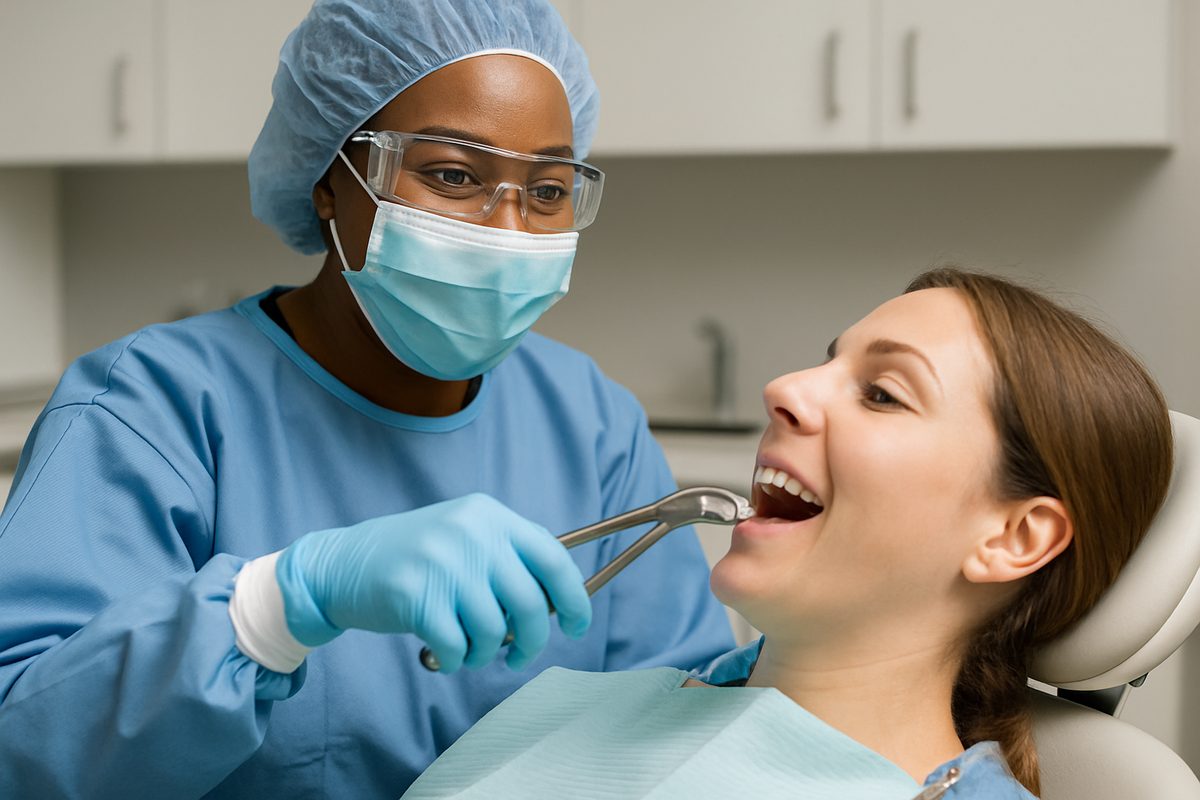
Your general dentist handles routine exams, professional cleanings, and early treatments like scaling and root planing. Dentists can provide desensitizing treatments, home-care coaching, and refer you to a periodontist when needed.
Other specialists and when they help
- Oral surgeons — for complex surgery or when tooth removal and implants are required.
- Orthodontists — when tooth position or bite is causing recession and tooth movement is needed.
- Prosthodontists — for restoring teeth and designing crowns, bridges, or full-mouth rehab after tissue work.
- Endodontists — when root damage or infection affects treatment decisions.
How providers diagnose gum recession
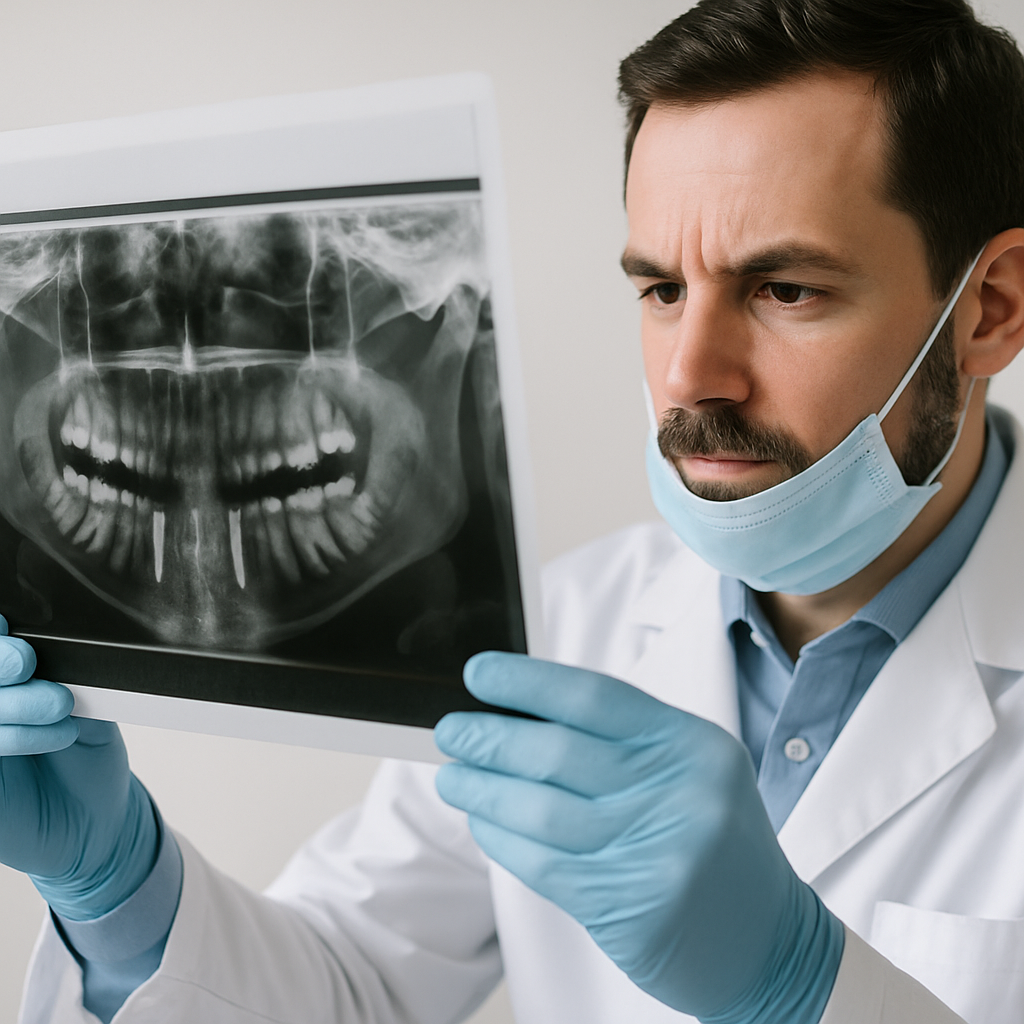
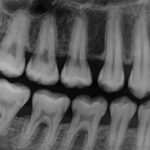
Diagnosis includes a clinical exam (measuring pocket depths and recession), dental X-rays to check bone levels, intraoral photos, and digital planning tools when implants are considered. These tests help your provider decide the best, least invasive option.
Treatment options and who provides them
Non-surgical care (usually general dentist or periodontist)
Many cases start with better home care, a softer toothbrush, professional cleaning, and scaling and root planing to remove buildup under the gumline. Desensitizing agents and night guards for grinding can reduce symptoms. These steps are often provided by general dentists or periodontists.
Minimally invasive procedures
Options like the Chao Pinhole Surgical Technique and LANAP laser therapy aim to correct recession with less tissue trauma and faster recovery. Periodontists often offer these tissue-sparing approaches.
Surgical and regenerative treatments
For deeper defects, periodontists perform connective tissue grafts, free gingival grafts, or use regenerative membranes and bone grafts to rebuild soft tissue and bone. These procedures restore coverage and reduce sensitivity.
When reconstructive care and implants are involved
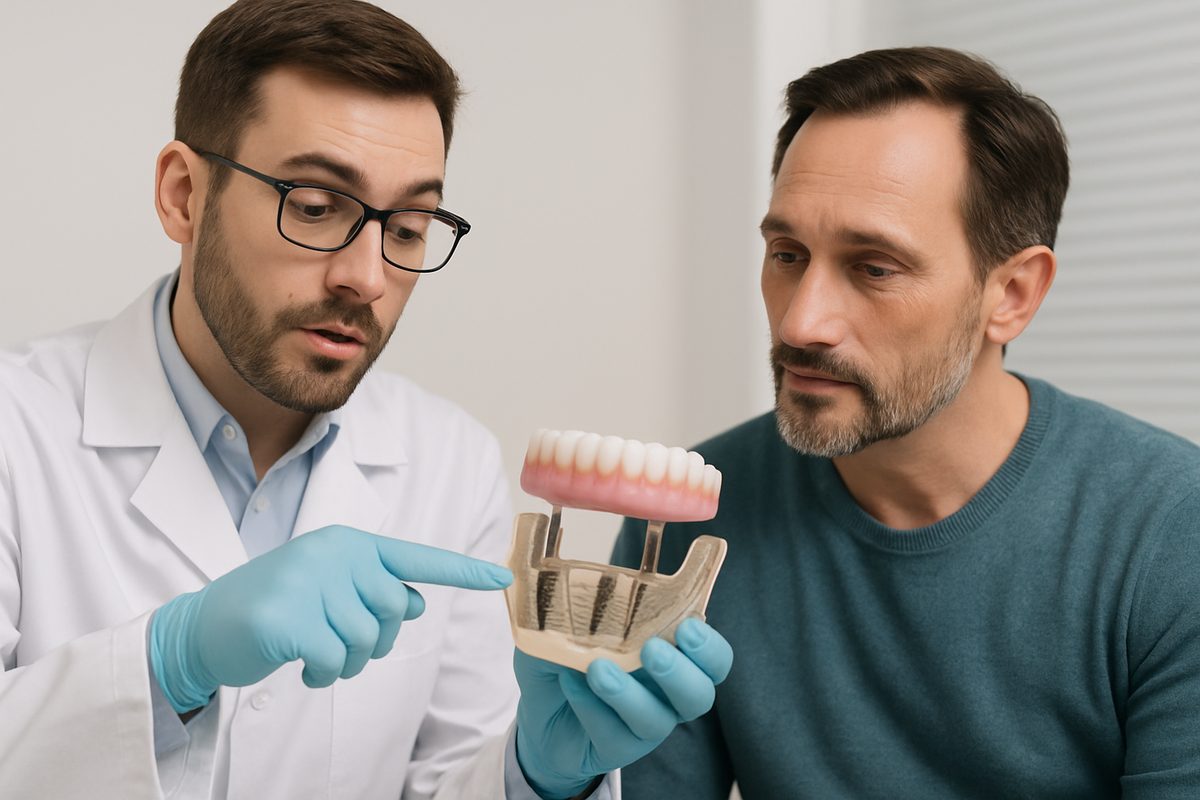
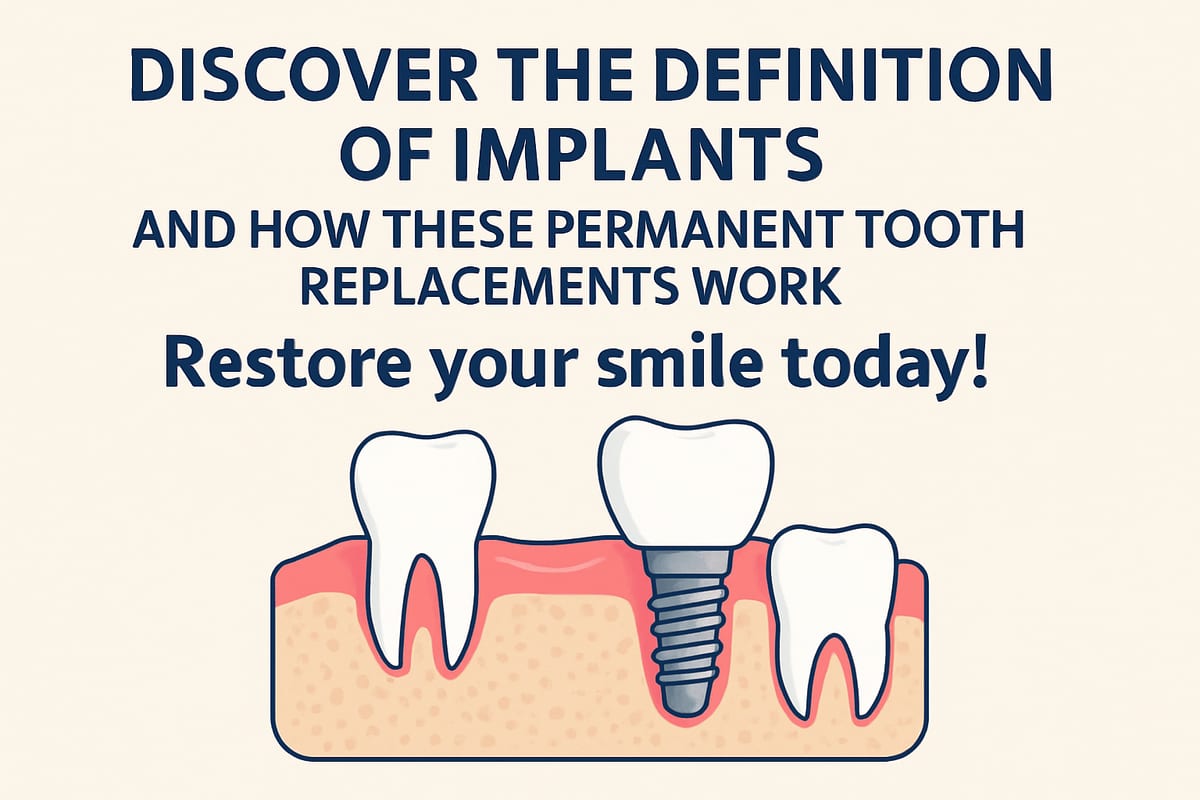
If a tooth is lost or unsalvageable, coordinated care among a periodontist, oral surgeon, and prosthodontist can plan tooth replacement with implants and restorations. Digital planning and guided surgery improve predictability.
Signs you should see a periodontist now
- Recession that’s worsening quickly
- Exposed roots with sharp pain or ongoing sensitivity
- Persistent bleeding or deep pockets on exam
- Bone loss visible on X-ray
- Prior treatments that didn’t help
- Planned implants near areas of recession
Questions to ask at your first appointment
- Are you board-certified in periodontics?
- What treatment options do I have and which do you recommend?
- What are the risks, recovery time, and expected costs?
- Do you use minimally invasive techniques or lasers?
- Can I see before-and-after photos of similar cases?
What to expect during evaluation and treatment
Your first visit typically includes a focused exam, probing and measurements, X-rays or scans, and photos. The specialist will explain options, propose a clear treatment plan with timing, discuss sedation if needed, and review recovery milestones and follow-up care.
About Columbia Center for Implants & Periodontics
Columbia Center for Implants & Periodontics is a team of three board-certified periodontists providing evidence-based gum recession treatment and implant care since 1983. They offer LANAP laser therapy, the Chao Pinhole Surgical Technique, Yomi robotic implant placement, and digital planning. The practice focuses on minimally invasive care, transparent planning, and flexible financing across Maryland locations in West Columbia and East Columbia.
Next steps — getting help for receding gums
- Track symptoms and note any changes in sensitivity or gum appearance.
- Switch to a soft toothbrush and use a gentler brushing technique.
- Schedule an exam if recession worsens or if you have pain or bleeding.
- Bring your list of questions to the consult and ask whether a periodontist is recommended.
If you’re still unsure about who to see for receding gums, start with your general dentist for an exam, and request a referral when signs point to advanced disease or when surgical or regenerative care is likely. For patients wondering who to see for receding gums in Columbia, MD, a board-certified periodontist can offer both conservative and advanced options tailored to your needs.