



If you’re facing a damaged or painful tooth and wondering about replacement options, this post will help. It explains tooth extraction and implant—removing a failing tooth and replacing it with a dental implant—and who may benefit. Read on to learn how the process works, what to expect during recovery, risks and benefits, alternatives, and practical next steps.
What is tooth extraction and implant?
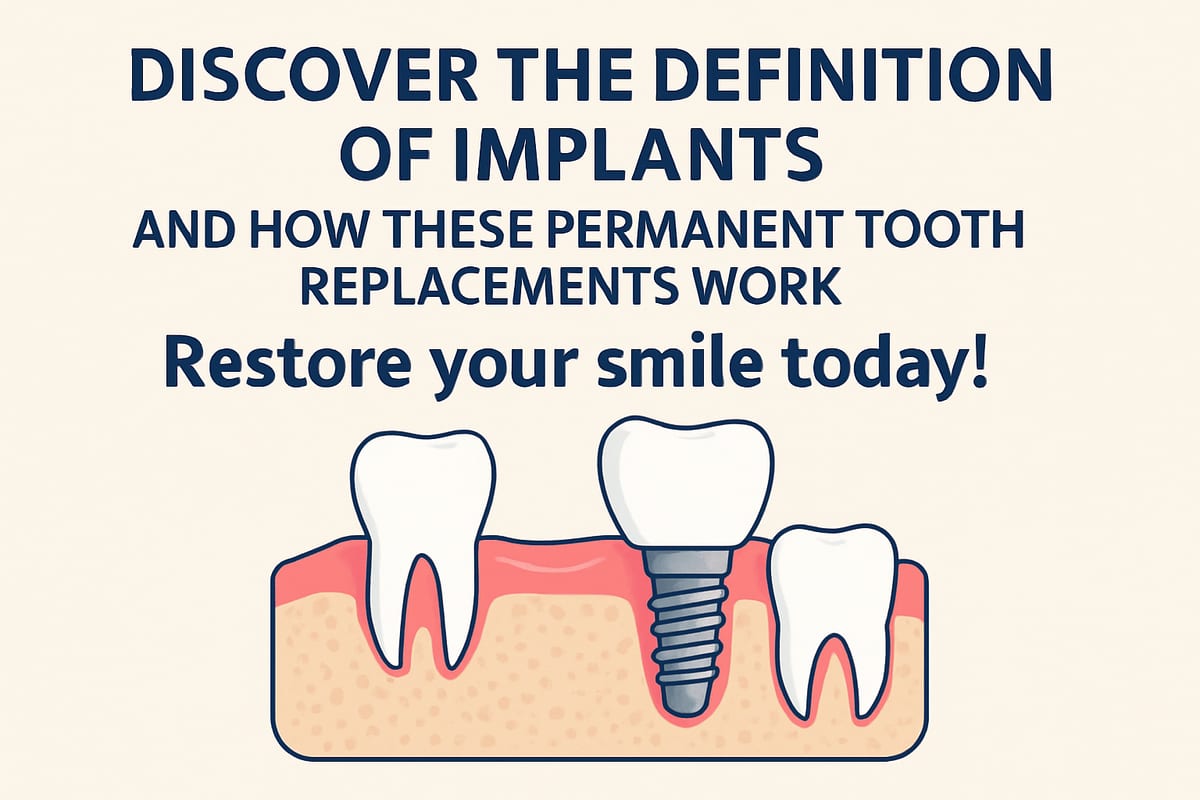
This approach pairs removal of a tooth with placing an implant to hold a new crown. In some cases the implant goes in right after the tooth comes out (immediate placement). In other cases the dentist waits several weeks or months for the socket to heal before placing the implant (delayed placement). Immediate placement often shortens treatment time, but delayed placement can be safer when infection or low bone volume is present.
Who is a good candidate for tooth extraction and implant?
Common reasons
- Severe decay that can’t be repaired
- Deep infection or abscess
- A tooth broken below the gumline
- Teeth that fail after root canal treatment
Health and oral factors
Good overall health and oral hygiene improve chances of success. Key factors include:
- Bone volume: Enough jawbone is needed to hold an implant; bone grafts can help when volume is low.
- Gum health: Untreated gum disease should be managed first.
- Smoking: Smoking raises the risk of implant failure and slows healing.
- Medical conditions: Diabetes, autoimmune diseases, and medications that affect bone healing can change candidacy; share your health history with your dentist.
When to talk to your dentist
See your dentist right away if you have ongoing pain, a loose tooth, swelling, bad taste or drainage, or if a tooth broke. Early assessment helps you avoid more complex treatments later.
The procedure and recovery
Step 1: the extraction
The dentist or oral surgeon removes the tooth using local anesthesia. You may feel pressure but not pain. After extraction you’ll get instructions to control bleeding, limit swelling, and protect the socket.
Step 2: implant placement
For immediate placement the implant is inserted into the socket during the same visit. If the area is infected or the bone needs time to heal, your dentist will wait and place the implant later. Sometimes a bone graft is placed to build up the jaw so it can hold an implant securely.
Recovery timeline and aftercare
Healing follows a few stages:
- First 48–72 hours: Manage bleeding and swelling, rest, and use pain relievers as advised.
- 1–2 weeks: Soft tissue heals; stitches (if any) may be removed or dissolve.
- 3–6 months: Bone integrates with the implant (osseointegration) before the final crown is placed, unless a temporary tooth is used earlier.
Practical aftercare tips:
- Use ice packs for swelling and follow pain medication instructions.
- Eat soft foods for several days and avoid chewing on the surgical side.
- Keep the area clean with gentle rinses; follow your provider’s oral hygiene plan.
- Attend follow-up visits to check healing and implant stability.
Risks, benefits, cost considerations, and next steps
Benefits
- Restores chewing function similar to a natural tooth
- Helps preserve jawbone and facial structure
- Long-lasting solution with proper care
- Improved appearance and confidence compared with missing teeth or removable options
Risks and how they’re managed
- Infection: Prevented with good hygiene and antibiotics when needed; treated quickly if it occurs.
- Implant failure: Rare but possible; smoking and poor bone increase risk.
- Nerve or sinus issues: Careful planning and imaging reduce these risks; tell your dentist about any numbness or persistent pain.
Alternatives
Two common alternatives are fixed bridges and removable dentures.
- Fixed bridge: Replaces a tooth using crowns on neighboring teeth. Faster but requires altering healthy teeth and doesn’t prevent bone loss where the tooth is missing.
- Removable denture: Less expensive up front but can be less stable, may need relines, and does not stop bone loss.
How to decide and next steps
Questions to ask your dentist at a consult:
- Am I a candidate for an immediate implant?
- Will I need a bone graft or sinus lift?
- What is the total timeline and expected costs?
- What are the risks in my specific case and how are they managed?
Bring your medical history, list of medications, and any recent dental X-rays or records. Expect a realistic timeline of weeks to months from extraction to final crown in many cases.
Light practice note and CTA
Our practice offers evaluation, implant placement, and financing options to make care manageable. To book an implant consultation, call our office or use the online form to request an assessment and personalized treatment plan.