


If you’ve asked, can you replace teeth, the short answer is yes for most people. Dental implants replace missing teeth with a durable, natural-feeling solution that acts like a real tooth root and crown. Implants are a good choice when you want long-term function and appearance, but they may not be right for everyone depending on health, bone, and budget.
How dental implants replace teeth
The three main parts
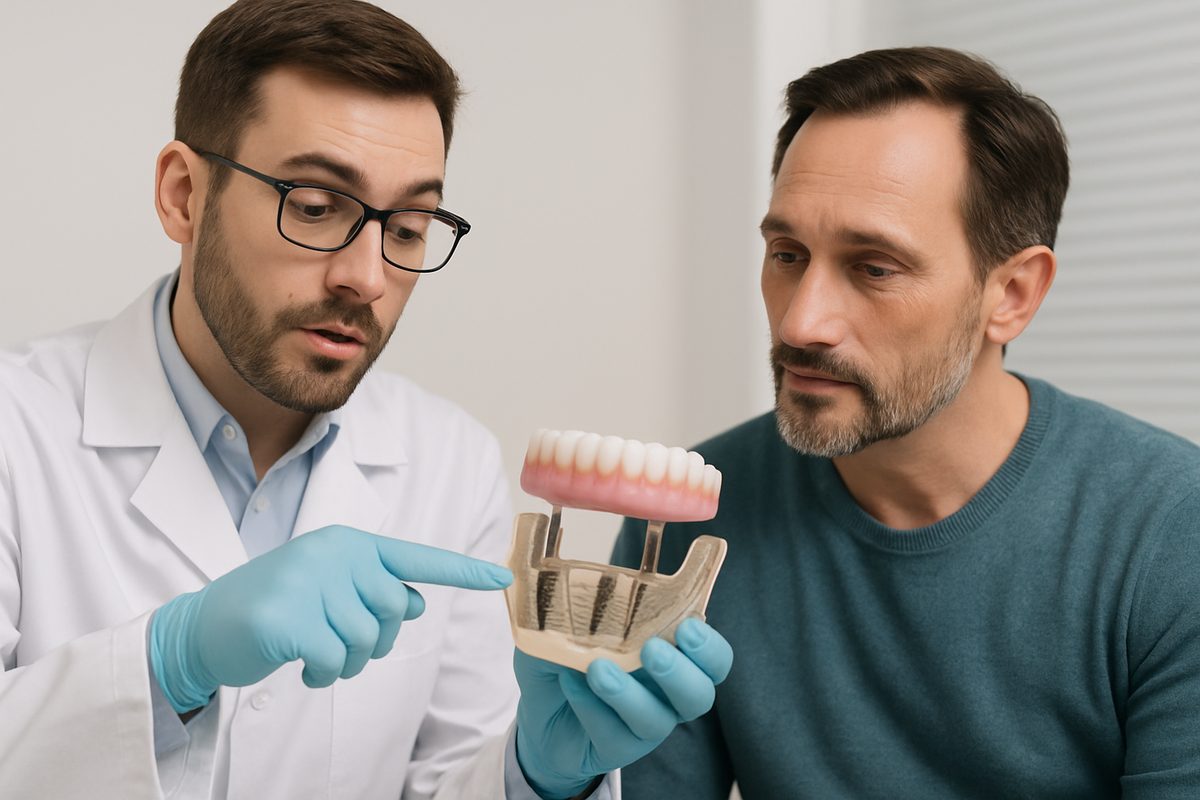
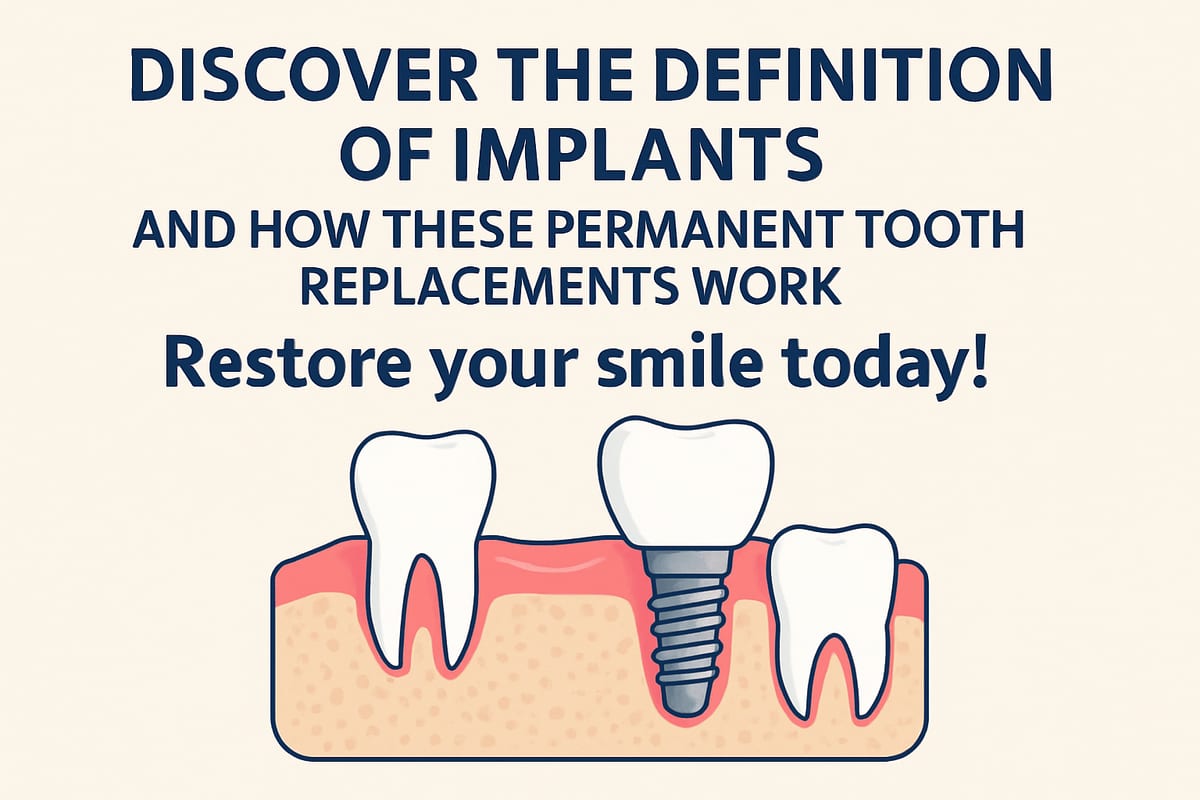
Dental implants replace teeth using three parts that work together:
- Implant (root) — a small titanium post placed in the jaw to act like a tooth root.
- Abutment — a connector attached to the implant that holds the replacement tooth.
- Crown — the visible tooth made of ceramic or porcelain that looks and functions like a natural tooth.
Together these parts restore chewing, support the jaw, and fill gaps so neighboring teeth don’t shift. If you wonder “can you replace teeth” with something that feels natural, implants are often the answer.
Single tooth vs multiple teeth vs full-arch
There are different implant options depending on how many teeth you need to replace:
- Single implant and crown — replaces one missing tooth with one implant and one crown.
- Implant-supported bridge — uses two or more implants to support a bridge when several teeth in a row are missing.
- Full-arch solutions (All-on-4 and similar) — use 4–6 implants to support an entire upper or lower set of replacement teeth.
Each option aims to restore function and appearance. When deciding “can you replace teeth” in more complex cases, full-arch or bridge options often offer the best long-term results.
Who is a candidate for dental implants
Oral and general health factors
Not everyone is an ideal candidate right away. Key factors include:
- Bone volume: Enough jawbone is needed to hold the implant. Bone grafts can help when bone is low.
- Gum health: Healthy gums free of active infection are important.
- Medical conditions: Uncontrolled diabetes, certain autoimmune conditions, or treatments like chemotherapy can affect healing.
- Lifestyle: Heavy smoking and some medications (like certain bisphosphonates) can reduce implant success.
Your dentist will evaluate medical history, take scans, and decide whether implants are safe and likely to succeed.
When other treatments may be better
Sometimes bridges or dentures are better short-term options. Reasons include low bone that can’t be grafted, medical risks that prevent surgery, or budget constraints. If you ask “can you replace teeth” but surgery isn’t safe or feasible, these alternatives can restore function faster and with less cost.
The implant process, recovery, risks, and cost
Typical treatment timeline
Most implant treatments follow similar stages:
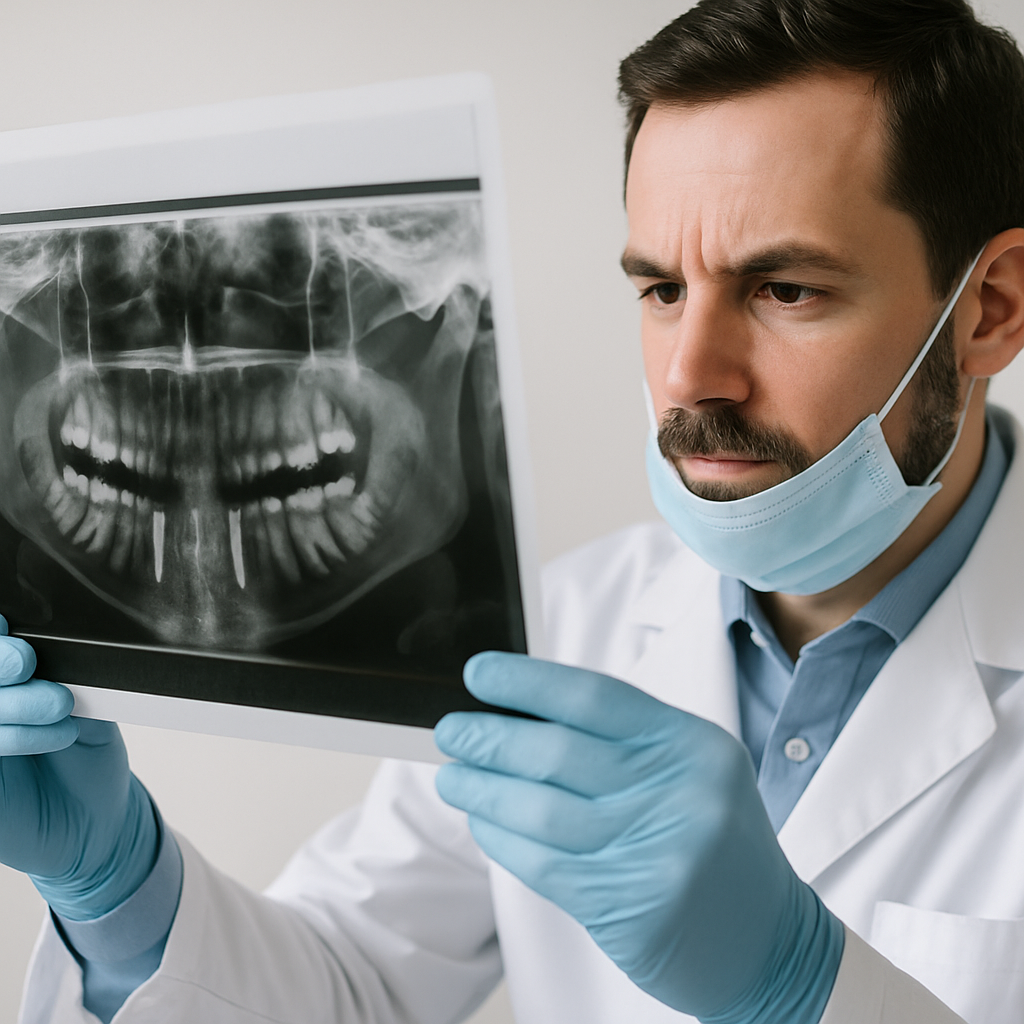
- Consultation and imaging: Exam, X-rays or CBCT scans, and a treatment plan.
- Placement surgery: Implant is placed in the jaw. Sometimes a temporary tooth is attached.
- Healing (osseointegration): Bone bonds to the implant over 3–6 months in many cases.
- Abutment and crown: Abutment placed and final crown or prosthesis attached.
Recovery and common risks
After surgery expect swelling, mild pain, and some bleeding for the first few days. Typical aftercare includes soft foods, good oral hygiene, and following the dentist’s instructions. Watch for signs of complications such as increased pain, fever, pus, or the implant feeling loose — report these to your provider right away.
- Common risks: infection, nerve irritation, sinus issues (upper implants), or implant failure if healing is poor.
What affects cost and coverage
Costs vary. Major drivers include number of implants, need for bone grafts or extractions, the type of final restoration (single crown vs full-arch), and whether a specialist performs the surgery. Dental insurance may cover parts of treatment but often not the full cost. Many practices offer financing plans to spread payments.
Next steps: finding care and questions to ask
Key questions for your dentist or specialist
- How many implants have you placed and what are your success rates?
- What is the full treatment timeline and how many visits will I need?
- Will I need bone grafts or extractions?
- What are the total costs and what payment or financing options do you offer?
- What are the risks in my specific case and how do you handle complications?
How to prepare for your first visit
Bring a list of medications, your medical history, and any prior dental X-rays if you have them. Expect the consult to include an oral exam and imaging to check bone and plan treatment. Ask clear questions about steps, recovery, and costs so you can decide if implants are right for you.
If you’re still asking, “can you replace teeth,” talk with a qualified dental provider to review your options and get a personalized plan. A short consult will show whether implants are a good fit for your health and goals.