
All‑on‑4 implants can replace a full upper or lower arch of teeth with just four strategically placed implants. This guide explains who benefits from the treatment, what to expect during the process, the risks and recovery, typical costs and financing, and how to choose care — focused on all on 4 howard county md patients. Read on to learn the step‑by‑step pathway and the questions to ask at your consultation. If you are missing many teeth, have failing teeth, or struggle with dentures, this guide is for you. We describe the clinical approach used for All‑on‑4 in Howard County, MD, what makes a good candidate, common outcomes, and how local providers use modern tools to improve precision and comfort.
What Are All‑on‑4 Dental Implants?
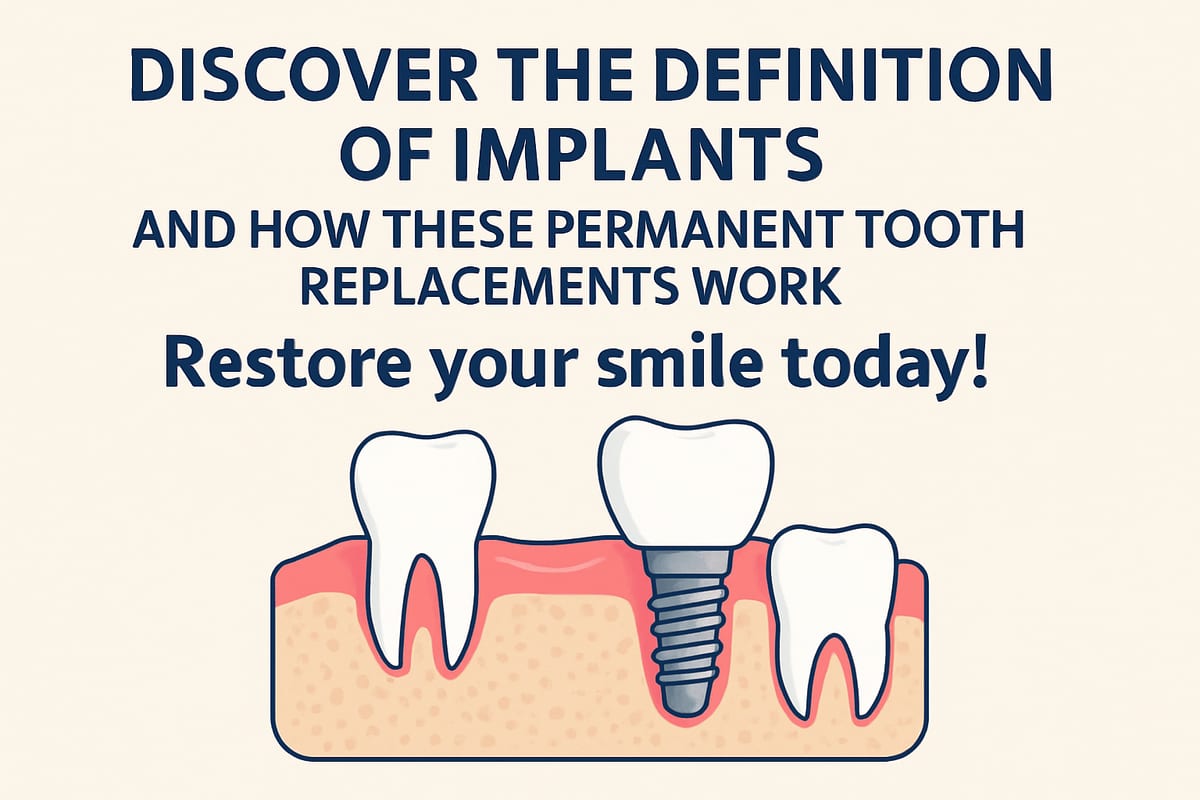
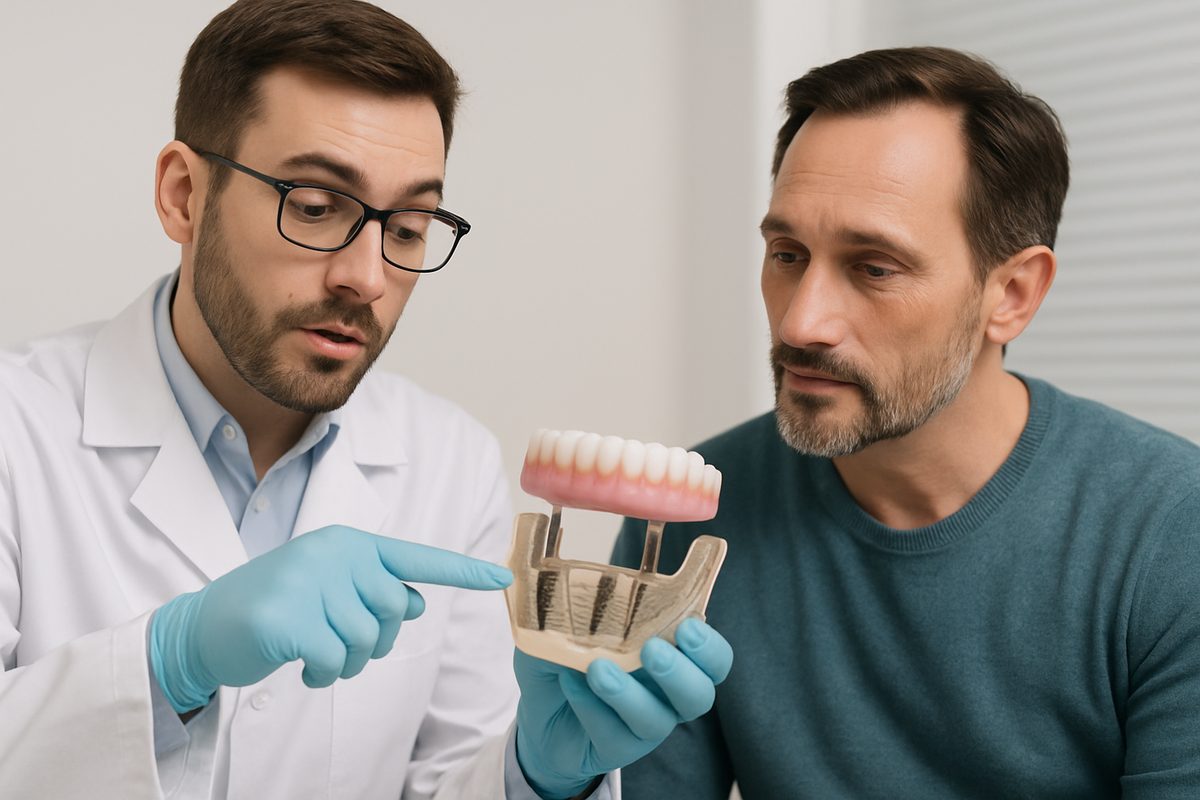
All‑on‑4 is a full‑arch replacement method that uses four implants to support a fixed prosthesis. Two implants are placed near the front and two are angled in the back to use available bone. Patients typically receive an immediate temporary prosthesis the same day for function and appearance, followed by a final, stronger prosthesis after healing (usually 3–6 months). The immediate prosthesis lets patients eat and speak quickly, while the final prosthesis is made from stronger materials for long‑term use. The overall timeline includes planning, surgery, a healing phase, and final restoration delivery.
How All‑on‑4 Works in Howard County, MD
Clinicians in Howard County, MD use angled posterior implants to avoid extensive grafting and maximize stability in existing bone. That angled approach lets clinicians often bypass areas of low bone volume and place implants with immediate function. Local providers combine 3D imaging, digital planning, and guided surgery to plan implant position, angle, and prosthesis fit. That coordination helps reduce surgical time, improve precision, and increase the chance of a predictable outcome for All‑on‑4 in Howard County, MD.
Benefits of Choosing All‑on‑4 in Howard County, MD
– Stable chewing and improved bite force compared with removable dentures. – Immediate restoration of appearance and function with a same‑day temporary. – Fewer surgeries and less grafting in many cases versus traditional implant protocols. – Better speech and comfort compared with loose dentures. – Predictable cosmetic improvements using digital smile design and modern lab materials.
Who Is a Good Candidate for All‑on‑4 in Howard County, MD?
Good candidates are patients who are edentulous (no teeth) or have multiple failing teeth in one arch and want a fixed solution. Candidates should be in generally good health and able to heal from minor surgery. Bone levels, smoking, and uncontrolled diabetes affect candidacy. Many patients with reduced bone can still receive All‑on‑4 thanks to the angled implant design, but some will need bone grafting or staged treatment. A consultation and 3D scan determine the best plan.
The All‑on‑4 Treatment Process: Step‑by‑Step
Initial Consultation & 3D Imaging
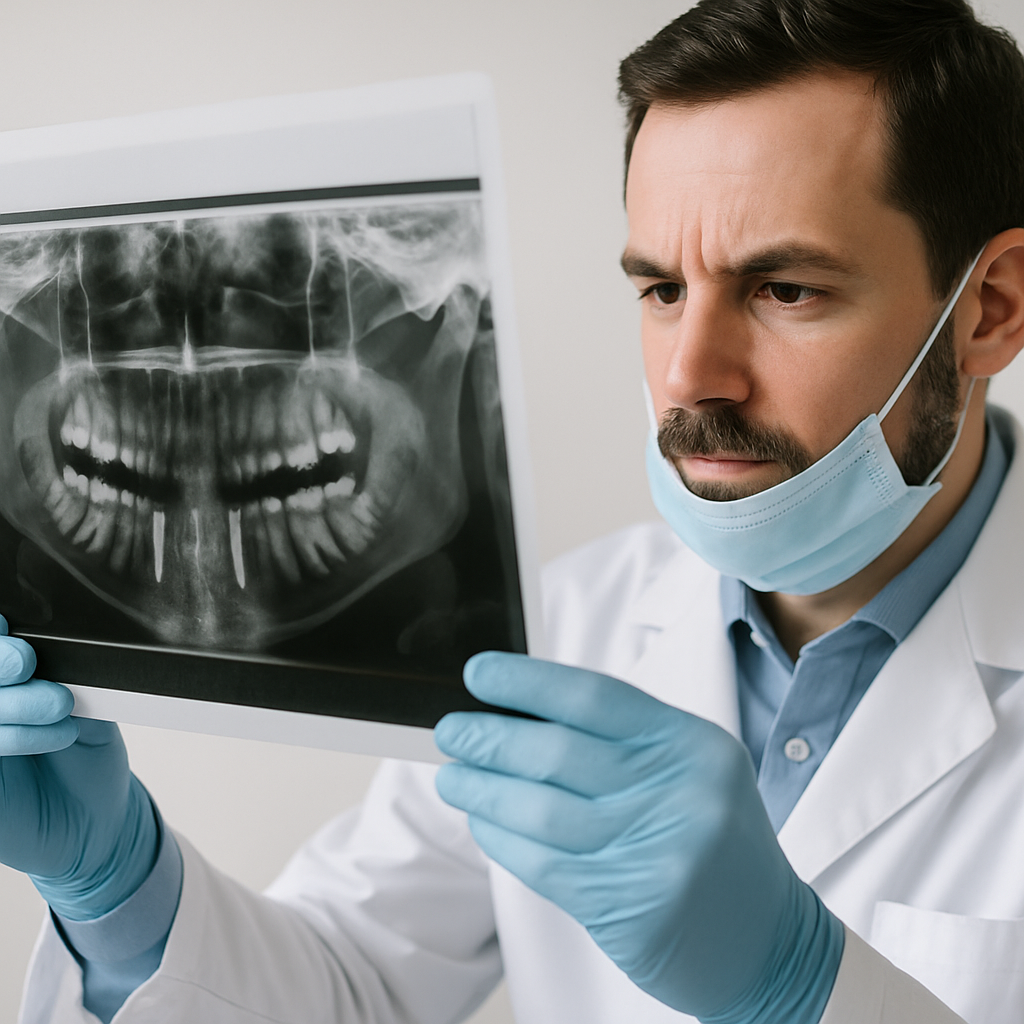
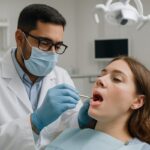
Your visit starts with an exam, medical history review, and a CBCT (3D) scan. Clinicians use digital planning software to design implant positions and the prosthesis. Expect a discussion of options, timeline, sedation choices, and costs during this visit. The team will review photos, X‑rays, and expectations for function and appearance. A clear treatment plan and consent process set realistic outcomes for All‑on‑4 in Howard County, MD.
Surgical Placement
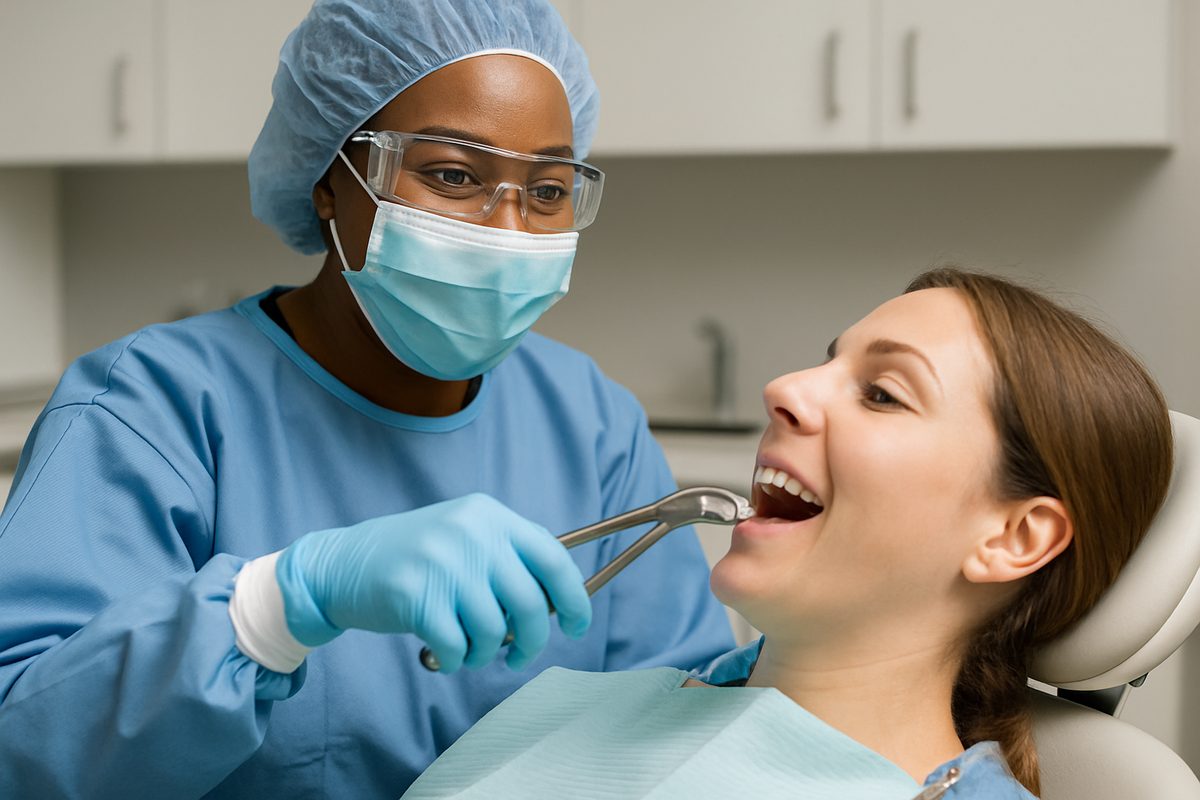
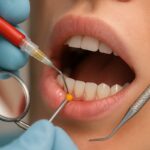
On surgery day, implants are placed under local anesthesia with optional IV sedation. Two implants are placed near the front and two are tilted in the back to use stronger bone. A temporary prosthesis is attached the same day in many cases so you leave with teeth. Surgery time varies but is often completed in one visit. Patients experience swelling and soreness for several days; pain is typically managed with prescribed or over‑the‑counter medications.
Healing, Final Prosthesis, and Follow‑Up
Healing generally takes 3–6 months. During this time, the bone fuses to implants (osseointegration). Providers schedule follow‑up visits to check healing and make adjustments to the temporary prosthesis. Once healing is complete, impressions or digital scans are taken to make the final prosthesis. The final restoration is stronger and more esthetic. Routine maintenance visits are scheduled to monitor implants and oral health.
Risks, Complications, and How They’re Managed
Common risks include infection, implant failure, prosthesis issues, and temporary nerve irritation. Serious nerve injury is rare but can cause numbness or tingling and requires prompt evaluation. Providers detect complications through follow‑up exams and X‑rays. Early infections are treated with antibiotics and cleaning; failed implants may require removal and staged replacement. Ask your provider about red flags like persistent swelling, severe pain, fever, or loss of function.
Recovery and Aftercare for All‑on‑4 Patients
Initial recovery is usually 1–2 weeks for swelling and soreness to improve. Patients follow a soft diet for several weeks and gradually reintroduce firmer foods as advised. Avoid smoking and follow medication instructions closely. Daily oral hygiene with specialized brushes, antimicrobial rinses, and regular professional cleanings help preserve implants. Long‑term maintenance includes periodic checkups, occasional prosthesis adjustments, and good home care.
Costs & Financing Options for All‑on‑4 in Howard County, MD
Costs vary based on number of arches treated, need for grafting or extractions, choice of prosthetic materials, and lab fees. Additional factors include sedation, imaging, and whether the final prosthesis is acrylic or zirconia‑based. Many practices offer payment plans, third‑party medical financing, and in‑house financing to spread costs. Dental insurance may cover some procedural steps but rarely covers full implant prostheses. Ask your Howard County, MD provider for a written estimate and financing options.
How to Choose an All‑on‑4 Provider in Howard County, MD
Look for board certification, advanced training in implant and full‑arch restoration, and a history of placing and restoring full‑arch cases. Verify the technology they use (CBCT, digital planning, guided or robotic surgery) and request before/after photos and patient reviews. Confirm who places the implants and who makes the prosthesis, the expected timeline, complication protocol, and warranty or maintenance terms. Clear communication and a detailed treatment plan are essential.
Technology That Improves All‑on‑4 Outcomes
Tools that improve outcomes include CBCT 3D imaging, digital smile design for predictable esthetics, guided surgery or robotic navigation (like Yomi) for exact implant placement, and laser therapies that aid healing. These technologies increase precision, reduce surgical time, and can improve recovery. Providers in Howard County, MD who use advanced technology often pair it with experienced restorative teams to ensure the implant and prosthesis fit and function well.
Questions to Ask at Your Consultation
– What is the expected timeline from surgery to final prosthesis?
– Who will place the implants and who will make the prosthesis?
– What are your success and complication rates for All‑on‑4?
– What sedation or anesthesia options do you offer?
– Is there a warranty or maintenance plan for the prosthesis?
– What financing plans are available and what does my estimate include?
Common Patient FAQs About All‑on‑4 in Howard County, MD
Q: Is All‑on‑4 painful?
A: Discomfort is normal after surgery but usually managed with medication. Most patients report manageable pain and swelling that improves in days.
Q: How long do All‑on‑4 implants last?
A: With good care, implants can last decades. The prosthesis materials may need replacement over time due to wear.
Q: Can I eat normally?
A: You can eat a broader diet than with dentures. Hard foods may be limited early on and some long‑term diet changes are recommended to protect the prosthesis.
Q: Will insurance cover it?
A: Insurance coverage varies. Some plans cover parts of the treatment (extractions, X‑rays) but rarely the full implant prosthesis. Ask your provider for details.
Q: How is this different from dentures?
A: All‑on‑4 is fixed and feels more like natural teeth with greater chewing ability and stability compared with removable dentures.
About Columbia Center for Implants & Periodontics
Columbia Center for Implants & Periodontics provides advanced implant and periodontal care across two Columbia locations. The team includes board‑certified periodontists who use evidence‑based methods, digital planning, and modern sedation options to care for patients seeking full‑arch rehabilitation. Services include dental implants, laser gum therapy (LANAP), bone grafting, and full‑mouth reconstruction. The practice emphasizes clear planning, predictable outcomes, and flexible financing to help patients restore oral health and confidence.
Why Choose This Team for All‑on‑4 in Howard County, MD
The practice’s clinicians hold board certification in periodontics and advanced implant training from major institutions. They use technologies such as Yomi robotic navigation, digital smile design, and LANAP to enhance accuracy and healing. This combination of experience, technology, and patient‑centered planning supports better outcomes and transparent cost discussions. Patients benefit from coordinated care between implant surgeons and restorative teams, a focus on minimally invasive options, and structured follow‑up to monitor long‑term success.
If you’re considering All‑on‑4 in Howard County, MD, request a consultation to review your 3D scans and treatment options. Bring any recent dental X‑rays, a list of medications, and questions about timeline, sedation, and costs. Schedule a visit to see if All‑on‑4 is the right path to restore your smile and chewing function.
Additional Resources & References
For more reading, ask your provider for patient testimonials, detailed procedure pages, and technology pages on Yomi and LANAP. Refer to authoritative implant resources from dental specialty organizations for clinical data and long‑term outcome studies.