

A periodontist focuses on the health of your gums, the bone that supports your teeth, and placing dental implants when teeth are lost. They treat gum disease, gum recession, and complex implant cases that go beyond routine dental care. If you live near Baltimore and need advanced gum or implant work, finding the right specialist matters for your health, comfort, and long-term results. This guide walks through when to see a periodontist, what to ask, common treatments, costs, technology that improves safety, and how to pick a great provider — including local options and next steps. Use this to feel confident before your first appointment with a periodontist baltimore md.
When to See a Periodontist
Common warning signs
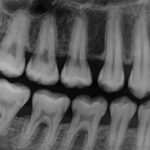
Bleeding gums, bad breath that won’t go away, loose or shifting teeth, exposed root surfaces, and ongoing gum pain are all signs to see a specialist. Bleeding after brushing or flossing can mean inflammation or early gum disease. Loose teeth or gaps that grow over time often show advanced bone loss. Persistent bad breath despite cleaning can signal infection below the gum line. Don’t ignore these signs — early care prevents bigger procedures later.
Procedures that need a specialist
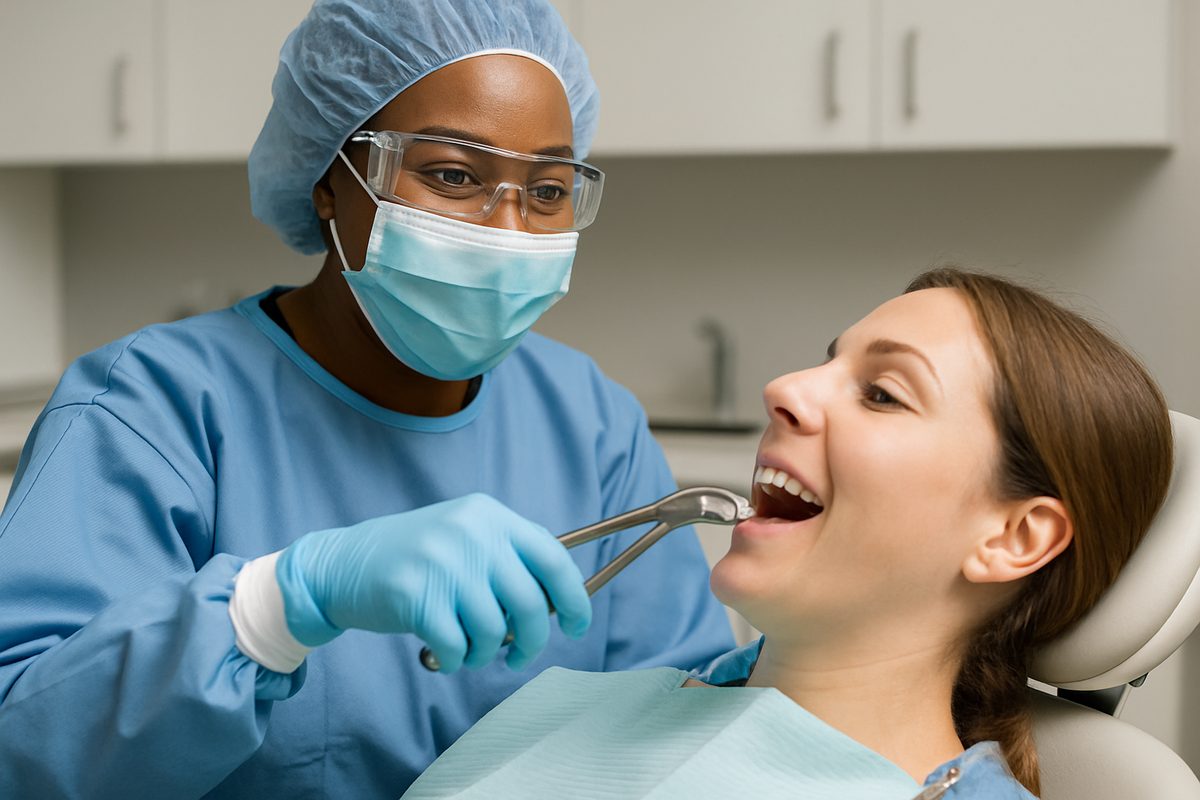
Some procedures require the extra training of a periodontist. Gum surgery to remove deep infection, complex bone grafts before placing implants, sinus lifts, and advanced implant placement are best handled by a specialist. Routine cleanings and simple restorations are usually done by a general dentist, but when treatment involves the supporting bone, tissue grafting, or full-arch implants, a periodontist’s training improves safety and outcomes.
Key Credentials and Certifications to Look For
Board certification and Diplomate status show a periodontist has completed advanced testing and training beyond residency. Look for completion of an accredited periodontics residency and membership in groups like the American Academy of Periodontology. These credentials indicate ongoing education and a commitment to standards. Verify credentials on state dental board sites, the American Board of Periodontology directory, and professional group listings. How to verify credentials online and red flags to watch for: – Check state dental board for license status and disciplinary actions. – Confirm board certification or Diplomate status on the American Board of Periodontology website. – Red flags: no listed training, vague bios, no verifiable license, or consistently poor safety/consent reviews.
Important Questions to Ask at Your First Visit
Ask how you got your diagnosis, what treatment options you have, and why a particular plan is recommended. Ask about success and complication rates for the proposed procedures, expected recovery time, and available sedation choices. Request specifics on imaging and diagnostics used, and how outcomes are measured (probing depths, x-rays, photos). Ask about alternatives, cost estimates, and what the first follow-up visits will include. Questions about technology and outcomes: – What imaging and planning tools do you use? – Do you use lasers, guided surgery, or digital planning? – Can I see before/after cases similar to mine? – How do you handle complications or implant failures?
Major Treatments and What to Expect
Non-surgical therapy
Initial care often starts with scaling and root planing to remove plaque and infected material beneath the gums. This can be done with manual instruments, ultrasonic cleaners, or laser-assisted therapy like LANAP. Recovery is usually quick — a few days of sensitivity and mild discomfort. Non-surgical care aims to control infection and halt bone loss without cutting the gum tissue.
Surgical options
Surgical choices include gum grafts to cover exposed roots, the pinhole surgical technique for less invasive recession repair, and bone grafts to rebuild lost bone before implants. Surgery timelines vary: grafts may need weeks to months to integrate, and bone grafts often require several months before implant placement. Your periodontist will explain steps, healing expectations, and how to manage pain and care at home.
Dental implants and full-mouth rehab
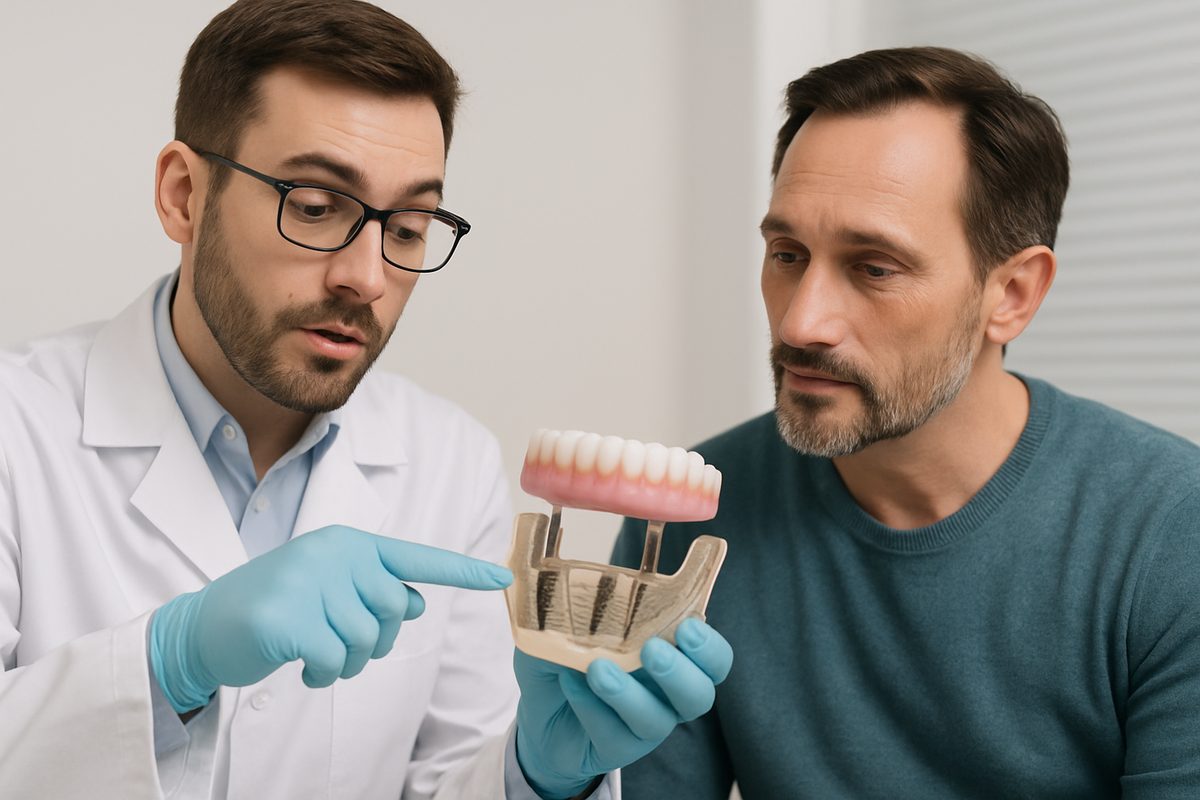
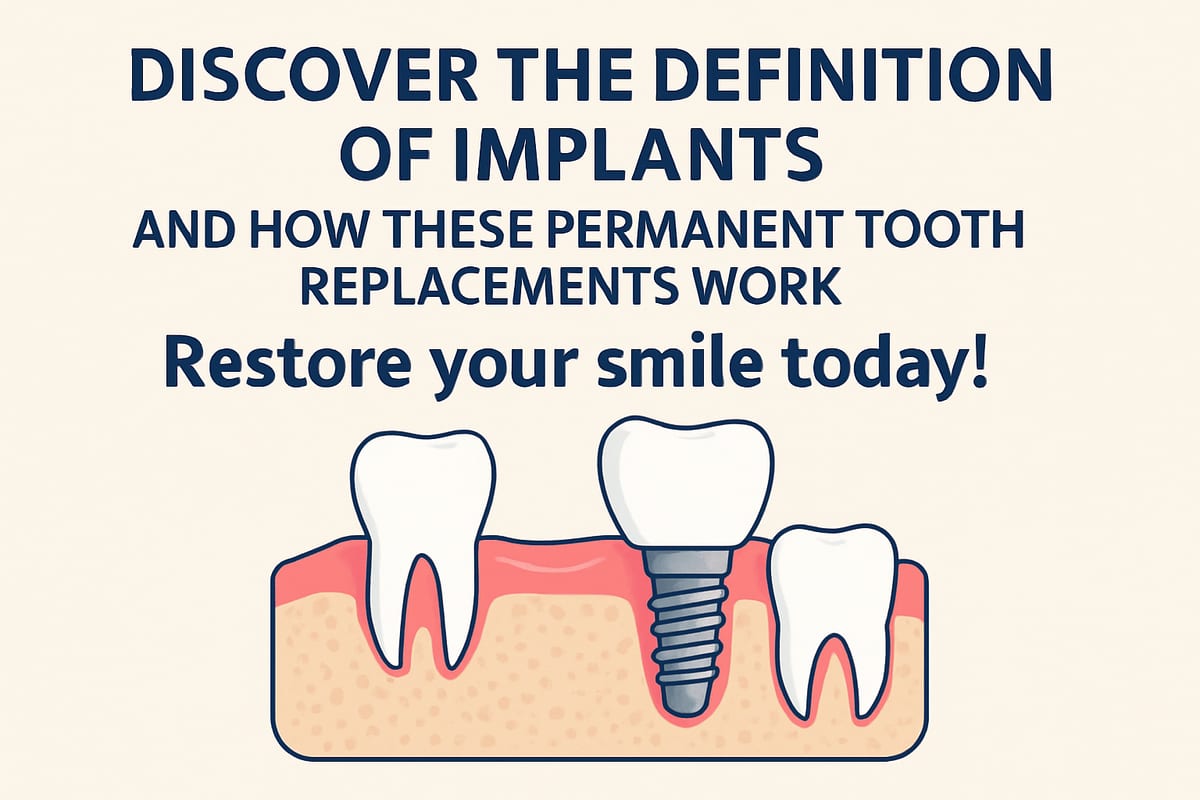
Implant-backed crowns and bridges replace single or multiple teeth. Full-arch solutions (All-on-4 or staged reconstructions) restore entire smiles but require careful planning, imaging, and sometimes staged surgeries. Expect a planning phase with digital scans and CBCT imaging, possible bone grafting, and a timeline that can range from months to a year depending on bone health and healing needs. Restoration involves coordination with your restorative dentist for final crowns or dentures.
Technology That Improves Safety and Outcomes
Modern tools make procedures safer and more predictable. Yomi robotic navigation helps guide implant placement with higher precision, reducing human error and improving implant position. LANAP laser therapy treats gum disease with less tissue damage and faster healing than some traditional surgeries. Digital planning and CBCT imaging let your doctor see bone and plan implants virtually before surgery. IV sedation helps anxious or complex patients stay comfortable during longer procedures. These tools can reduce recovery time, improve accuracy, and lower complication risk.
Cost, Financing, and Insurance Basics
Cost depends on how much disease is present, whether bone or tissue grafts are needed, number of implants, and sedation choices. A single implant and crown will cost less than full-arch reconstruction or multiple grafting procedures. Many dental plans limit implant coverage or exclude implants; periodontal procedures may have partial coverage. Practices often offer financing, third-party medical credit, and payment plans. Always ask for a written estimate that lists each step: diagnostics, surgery, grafts, implants, and final restorations. Tips to get clear cost estimates up front: – Request an itemized treatment plan with stages and costs. – Ask what’s included: imaging, labs, sedation, follow-ups. – Verify insurance benefits in writing and ask about pre-authorization. – Compare financing terms if you’ll use third-party credit.
Choosing Between a General Dentist and a Periodontist in Baltimore, MD
General dentists manage routine gum care, mild periodontal disease, and many restorative needs. See a periodontist when disease is moderate to advanced, when implants or grafting are needed, or when surgical expertise is required. Referrals often come from your dentist — they’ll coordinate care if you need specialized surgery and will manage restorative steps after healing. For complex bone or tissue needs, a periodontist’s training offers added safety and predictability.
How to Evaluate Patient Results and Reviews
Before/after photos should show consistent lighting, clear angles, and real cases similar to yours. Look for photos that include close-ups of gum lines and smile function, not just idealized marketing shots. Read patient testimonials for details about comfort, communication, and follow-up care. When reading online reviews, watch for patterns: one-off complaints happen, but recurring issues about pain control, missed appointments, or poor communication are warning signs. Call the office to ask about outcomes and ask for references if you want more detail.
Why Consider Columbia Center for Implants & Periodontics Near Baltimore?
Columbia Center for Implants & Periodontics offers board-certified specialists with advanced training in implant and periodontal care near Baltimore. The team emphasizes evidence-based, minimally invasive options and clear planning designed to improve health, function, and appearance. Their services include implant placement, bone and gum grafting, LANAP laser therapy, and advanced cosmetic planning, all supported by modern imaging and sedation choices. The doctors are Diplomates of the American Board of Periodontology and trained at major dental institutions, which supports predictable outcomes for complex cases.
Signature technologies and services they use: – Yomi robotic navigation for guided implant placement – LANAP laser therapy for tissue-preserving gum treatment – Chao Pinhole technique for minimally invasive gum recession repair – Digital Smile Design for cosmetic planning – IV sedation and Wilckodontics for complex reconstructions – Botox and dermal filler certification for aesthetic enhancements when needed
Preparing for Your Consultation and Next Steps
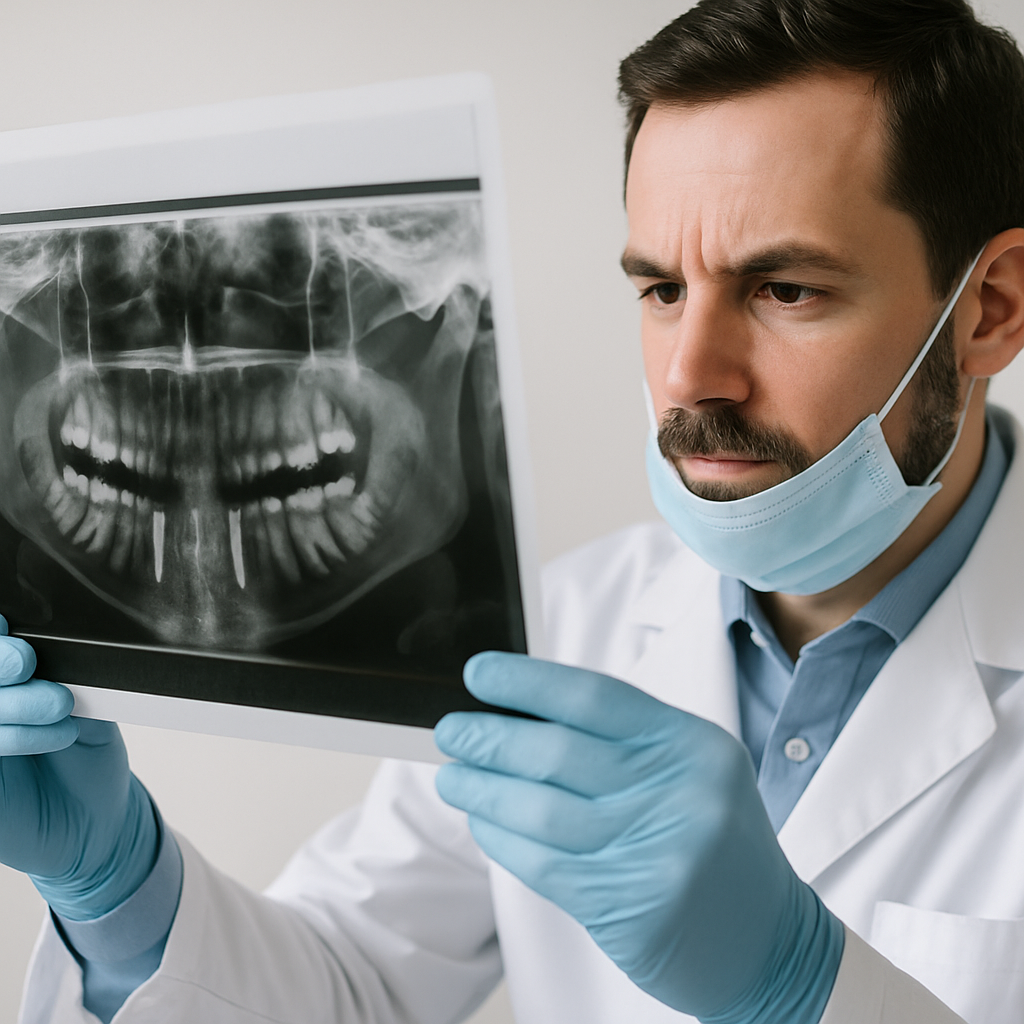
Bring prior dental records, recent x-rays if you have them, a list of medications and supplements, and notes on your symptoms. Prepare questions about diagnosis, treatment options, timelines, expected outcomes, and costs. A typical first appointment includes a medical and dental history review, clinical exam, periodontal charting, and often CBCT imaging to assess bone and anatomy. The doctor will explain options, risks, and next steps.
To schedule a consultation near Baltimore, call the Columbia Center for Implants & Periodontics or request an appointment online. After booking, expect confirmation with intake forms and instructions for imaging or records transfer. At your visit you’ll receive a personalized treatment plan, cost estimate, and a timeline so you can make an informed decision about care.